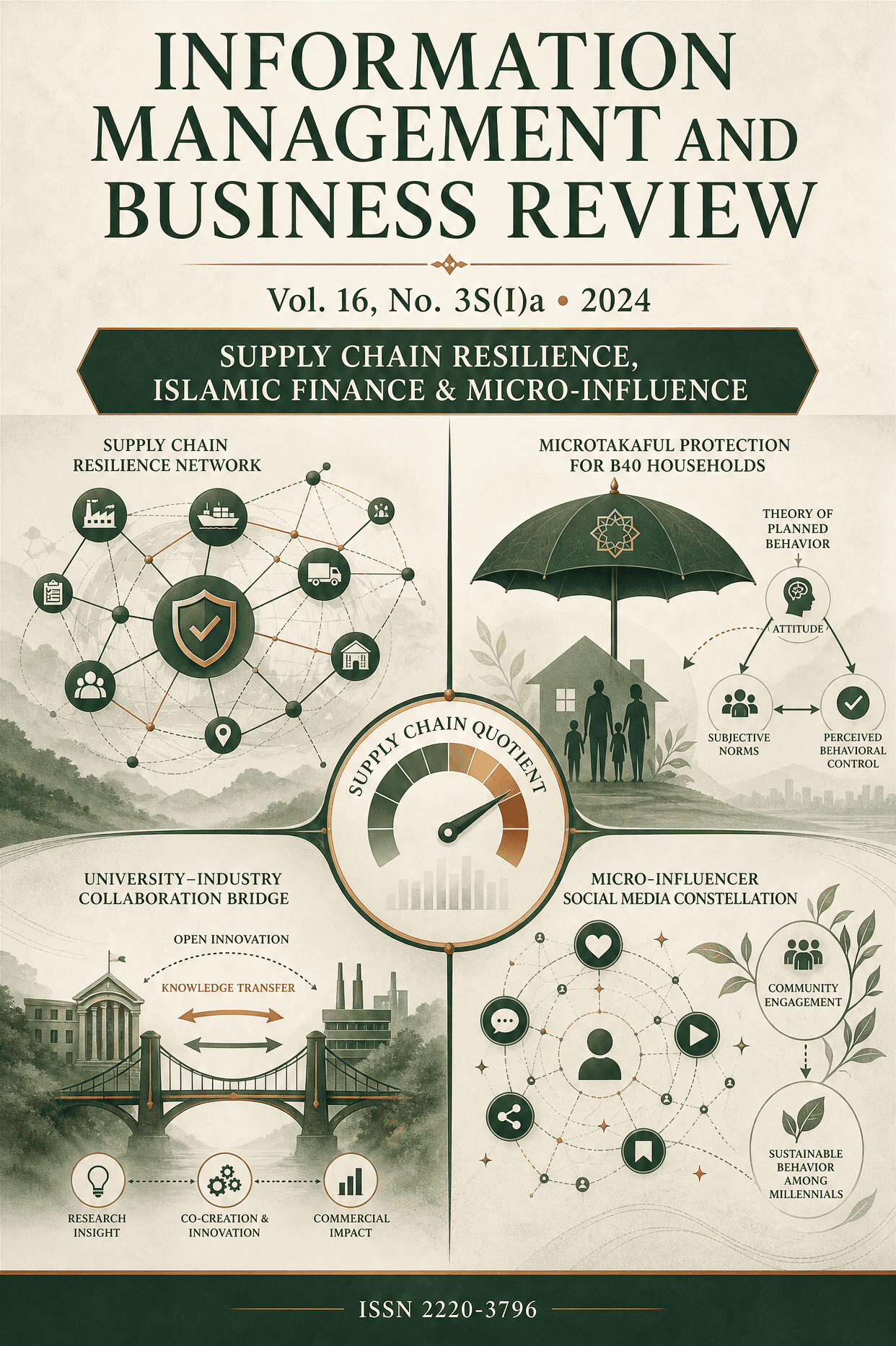
Articles 41–50 of 108

  • Article 41 in this issue

    The Impact of Social Media on Mental Health of Young Adults: A Literature Review

    • Author: Sarinah Sabar, Natasha Dzulkalnine, Masrur Mohd Khir

    This concept paper explores the complex relationship between social media usage and the mental health of young adults. The paper introduces the notion of social media and its significance in the lives of young adult, emphasizing the importance of studying its effects on their mental health and psychological well-being. Social media platforms have become an integral part of daily activities in the lives of young people. It has also become an invasive element in the lives of youth, shaping their social interactions, self-perception, and access to lots of information. Even though these platforms offer opportunities for social connection, creative expression, and educational engagement, they also present significant mental health challenges, including anxiety, depression, and low self-esteem, which are often driven by social comparison, cyberbullying, and the pressure to maintain an idealized online image. The paper investigates key areas of concern, including the rise of anxiety, depression, and low self-esteem linked to social comparison, cyberbullying, and the relentless pursuit of online validation. It also examines the addictive nature of social media, its impact on sleep, and the destruction of face-to-face social skills. By analysing existing literature and identifying research gaps, this paper aims to provide a comprehensive framework for understanding the two-edged nature of social media's influence on mental health. It advocates for the development of digital literacy programs, mental health support systems, and balanced usage strategies to help young people navigate the challenges posed by social media while maximizing its potential benefits.

    Pages 447-460

    PDF - The Impact of Social Media on Mental Health of Young Adults: A Literature Review (opens in a new tab)
  • Article 42 in this issue

    Understanding Gen Z’s Online Purchase Behavior through their Hedonic and Utilitarian Motivation

    • Author: Yvonne S. M. Ang

    The COVID-19 pandemic ushered in lockdowns, limiting consumer movement to their homes and preventing consumers from shopping in brick-and-mortar stores. Consequently, consumers were reliant on e- commerce to manage their daily purchases of goods and services. This exacerbated the use of e-commerce and fast-tracked the growth of the digital economy. In this study, Gen Z’s consumer motivation is investigated using hedonic and utilitarian motivation and the Unified Theory of Acceptance and Use of Technology (UTAUT). Consumer motivation remains a crucial part of consumer behavior studies given its prominence in influencing consumer action, consumer decision-making and preferences. In particular, the effects of hedonic and utilitarian motivation on online purchase behavior were investigated. This study utilized a quantitative approach through the deployment of a survey questionnaire online. The data from 156 respondents was analyzed using SmartPLS 4.0 utilizing Partial-Least Squares Structural Equation Modelling. Approximately 44% of the respondents started shopping online for the first time during the pandemic (i.e., 2020 and 2022). The results indicated that the Gen Z respondents were motivated by utilitarian and hedonic motivation when shopping online, in particular by Idea Shopping motivation and Efficiency motivation. Additionally, Social Influence and Facilitating Conditions were significant factors in influencing Behavioural Intention, and Behavioural Intention influenced Purchase Behaviour. The evidence suggests that the respondents were not novice online shoppers but rather experienced online shoppers.

    Pages 461-474

    PDF - Understanding Gen Z’s Online Purchase Behavior through their Hedonic and Utilitarian Motivation (opens in a new tab)
  • Article 43 in this issue

    Exploring Gender Differences in Shaping Total Tourism Experience Quality among Eco-Tourists

    • Author: Janiffa Saidon, Nurul Ainun Ahmad Atory, Hairulnizam Hashim, Rosidah Musa, Mohd Khalid Mohd Abas, Liatul Izian Ali Husin, Ahmad Nizam Mohd Yusof, Farez Adry Murad

    This research explored the role of gender as a moderating effect on the relationship between factors affecting ecotourism experiential value. Previous studies have investigated tourist satisfaction; however, the role of gender towards the experiential value remains unclear. More importantly, the tourist’s actual behavior at a destination is a critical determinant factor of tourist loyalty compared to the perception. Accordingly, the purpose of this study was to explore the role of gender in the relationship between factors influencing the Ecotourist Experiential Value on Actual Tourist Behaviour. More specifically, this study delved into the consequences of destination experience (i.e. attachment and advocate) and investigated the influence of Ecotourist Experiential Value on Actual Behaviour between genders. A survey was conducted among the Taman Negara patrons in Malaysia. The research model was tested and confirmed with 243 tourists. The data was analyzed using Smart Partial Least Squares which is the variance-based structural equation modelling. The results evoked from the survey indicate that aesthetics is very much important as the influential factors towards positive total experience quality among male compared to female. In contrast, Customer Return on Investment becomes the main concern of female tourists towards Total Experience Quality as compared to male tourists. In light of the major finding, this study accentuates the importance of understanding gender behavior to provide valuable insights for destination marketers to establish positioning plans for the tourism industry.

    Pages 475-489

    PDF - Exploring Gender Differences in Shaping Total Tourism Experience Quality among Eco-Tourists (opens in a new tab)
  • Article 44 in this issue

    Macroeconomics Factors Affecting Net Exports of Oil Palm Industry in Malaysia

    • Author: Azhan Rashid Senawi, Shahariah Asmuni, Zaidi Mohd Aminuddin, Saliza Sulaiman, Saliza Zuraidah Ismail, Nur Ilyia Natasha Abd Kadir, Nur Sarah Dayana Kamarul Zahrin, Nur Aimi Shahirah Nasirrudin, Mohamad Miqdam Ahmad Yusoff

    This quantitative study investigates the impact of oil palm production, oil palm pricing, inflation, and GDP growth rate on the net exports of Malaysia's oil palm industry. This research is aimed at analyzing how the net export of oil palm relates to certain macroeconomic variables. This study has employed multiple regression analysis through Ordinary Least Squares for 26 years of time series data from 1996 to 2020 in Malaysia. The findings from this study improve our understanding of the major factors contributing to net exports in the oil palm industry. Palm oil production, price, as well as GDP growth, drive net export of palm oil in Malaysia found during this research. An increase in production leads to the reduced amount of palm oil exported, all other things remaining constant. Conversely, inflation and GDP growth are major drivers behind the increased net export of palm oil.

    Pages 490-501

    PDF - Macroeconomics Factors Affecting Net Exports of Oil Palm Industry in Malaysia (opens in a new tab)
  • Article 45 in this issue

    Navigating Urban Mobility: The Relationship between Car Consumption and Public Transport Usage in Malaysia

    • Author: Zuraidah Ismail, Saliza Sulaiman, Tuan Badrol Hisham Tuan Besar, Zaidi Mohd Aminuddin, Shahariah Asmuni, Noor Adwa Sulaiman, Syarul Emi Abu Samah

    Increasing private-owned cars in Malaysia has, thus far, contributed to growing congestion, environmental pollution, and decreasing public transport utilization. Car ownership has become possible through economic growth, and convenience and status attached to cars triggered tendencies from shifting to public transit. This development contradicts investments in public transport and aggravates environmental problems. This paper examines the relationship between private car ownership and public transport usage in Malaysia from 2000 to 2022, concentrating on intercity bus services, KTM commuters, and light rail transit. The results indicate that with increased riders for intercity buses and KTM commuter services, car usage drops, while that of light rail may raise car ownership. The study emphasizes the need to upgrade intercity and KTM services to mitigate the pressures of car ownership and calls for further research into the role of light rail.

    Pages 502-513

    PDF - Navigating Urban Mobility: The Relationship between Car Consumption and Public Transport Usage in Malaysia (opens in a new tab)
  • Article 46 in this issue

    Consumer Green Products through the Lens of Bibliometrics: Trends analysis

    • Author: Nani Ilyana Shafie, Nurul Hayani Abd Rahman, Rabitah Harun, Shaira Ismail, Nur Aliaa Shafie

    The growth of articles is reflected in the increasing interdisciplinary research and publications on consumer green products. Scholars from fields as diverse as business, management and accounting, environmental science, social science, and engineering have contributed to more than 400 publications. This article aims to understand the growth of green consumer products by using bibliometric analysis. With the limitation set only for the final stage and English used, a total of 1961 articles were published in the Scopus database from 1990 to 2024. The analysis of document and source types, top keywords, and other bibliometric indicators was explained. In addition, Publish or Perish software was used to analyze citation metrics and highly cited articles. As the global focus on sustainability intensifies, research in this field will likely continue to grow. Future studies should lengthen this work to other article databases such as WOS and Google Scholar to understand how consumer green products can contribute to a more sustainable business future. Besides that, the researcher also can explore how the green marketing mix influences consumer intention to purchase green products available in the market.

    Pages 514-524

    PDF - Consumer Green Products through the Lens of Bibliometrics: Trends analysis (opens in a new tab)
  • Article 47 in this issue

    The Impact of Student Attitude on Information, Communication, Creation Skills and Student Engagement

    • Author: Ho Khai Xin, Ng Junn Ping, Liu Xiao Tong, Kua Mei Yan, Norfadzilah Abdul Razak

    The Malaysian education system is guided by the Malaysia Education Blueprint, which drives the overall quality and effectiveness of education in the country. This study provides insights and assists in forming informed guidelines for the Ministry of Education regarding the impact of skill factors such as information skills, communication skills, and creation skills on student engagement, mediated by student attitudes toward learning. The relationship between the direct effects of these three primary skills and attitudes is supported by Self-Efficacy Theory (SET). The indirect relationship, where attitude mediates the effects of these skills on student engagement, is supported by Self-Determination Theory (SDT) and Social Cognitive Theory (SCT). A questionnaire was distributed to local university students currently in their fourth semester and analyzed using the Structural Equation Model using Partial Least Square (PLS). The structural model results direct relationship between attitude and student engagement and between information skills and attitude. In addition, the mediation analysis shows that the relationship between information skills and student engagement, mediated by student attitude, was significant. Based on these results, it is recommended that the Ministry of Education focus on providing supportive resources, such as learning environments and training for educators, in the upcoming Malaysia Education Blueprint for 2026 to 2036. Additionally, offering Digital Literacy Programs to equip students with information skills can positively influence student attitudes and thereby increase the level of student engagement, which is crucial for improving the academic performance and achievement of Malaysia’s educational system. Future research should include a cross-cultural comparison to reconsider educational theories for Asian countries, as many theories are currently based on Western educational settings and contexts.

    Pages 525-538

    PDF - The Impact of Student Attitude on Information, Communication, Creation Skills and Student Engagement (opens in a new tab)
  • Article 48 in this issue

    Public Perception Towards Insurance Companies in Malaysia

    • Author: Nurul Hidayah Zainal, Faziatul Amillia Mohamad Basir, Muammar Rinaldi, Wan Nur Fatihah Rohaizad

    Nowadays, the insurance sector is regulated and driven by profit maximization, just like other providers of financial services. We have been taught that insurance is essential for peace of mind, yet customers generally have a poor perception of insurance providers, and this view is even more evident among younger clients who are so important to the industry's future. The objective of this study is to investigate factors that influence public perception of insurance companies in Malaysia, including fraud, claim settlement, and knowledge. The study adopted a cross-sectional survey research design. This survey was conducted using questionnaires and 110 randomly selected insurance policyholders. The study's findings suggest that the public's perception of insurance companies is significantly influenced by knowledge. As a result, this outcome will assist insurance companies in developing new formulas that take the criteria mentioned above into account to serve the public interest.

    Pages 539-551

    PDF - Public Perception Towards Insurance Companies in Malaysia (opens in a new tab)
  • Article 49 in this issue

    The Relationship Between Employee Engagement, Physical Wellness, Work-Life Balance and Employee Well-Being

    • Author: Dayang Nailul Munna Abg Abdullah, Ridhawati Zakaria, Noor Azura Dahalan, Maliza Delima Kamarul Zaman, Zully Afiqah Ishak

    Employees often face challenges in finding work environments that consistently promote their wellbeing, despite spending a significant portion of their lives at work. This research investigates how employee engagement, work-life balance, and physical wellness relate to employee well-being at Nabati Food Malaysia Sdn. Bhd. Using a quantitative approach, the study tested three hypotheses through a survey with 187 participants, utilizing convenient sampling and an online questionnaire. Data were analyzed with the SPSS version 24.0. The results showed significant relationships between all variables and employee well-being, with employee engagement having the most substantial impact. The study recognized its limitations and provided recommendations for future research. Overall, the findings offer valuable insights for Nabati Food Malaysia and the fast-moving consumer goods sector, emphasizing the importance of enhancing employee well-being to improve business operations and employee satisfaction.

    Pages 552-563

    PDF - The Relationship Between Employee Engagement, Physical Wellness, Work-Life Balance and Employee Well-Being (opens in a new tab)
  • Article 50 in this issue

    From Gaming Elements to Purchase Intentions: The Influence of Perceived Enjoyment and Promotion Focus in Online Travel Bookings

    • Author: Janiffa Saidon, Nur Aliah Hisham, Nurul Ainun Ahmad Atory, Hairulnizam Hashim, Mohd Hisham Johari, Nur Syakirah Ahmad, Faizah Md Sohid, Mohd Fikri Ishak

    This study examines the impact of gamification on purchase intentions in Malaysia's online travel booking industry. As traditional platforms like Expedia face declining bookings due to economic challenges and the rise of competitors such as Airbnb, Agoda, and Booking.com, understanding the role of gamification in user engagement becomes crucial. The research employs Partial Least Squares Structural Equation Modeling (PLSSEM) to analyze the effects of extrinsic and intrinsic gaming elements, perceived enjoyment, and promotional focus on purchase intention. A total of 141 respondents participated in the survey and the key findings reveal that extrinsic gaming elements, including points and rewards, have a significantly stronger impact on perceived enjoyment than intrinsic elements like membership levels. This heightened enjoyment, in turn, positively influences purchase intention. Additionally, the study finds that promotional focus moderates the relationship between perceived enjoyment and purchase intention, further enhancing the effect. The ImportancePerformance Map Analysis (IPMA) indicates that while intrinsic gaming elements perform below average, they are less critical than other factors. Managers should prioritize improving aspects of high importance, but currently have, low performance to boost purchase intentions effectively. Overall, the research provides actionable insights for enhancing competitiveness in Malaysia's digital travel marketplace, emphasizing the need for targeted gamification strategies to align with evolving consumer preferences. The findings offer a foundation for developing strategies that can help travel platforms maintain relevance and drive engagement in a competitive landscape.

    Pages 564-572

    PDF - From Gaming Elements to Purchase Intentions: The Influence of Perceived Enjoyment and Promotion Focus in Online Travel Bookings (opens in a new tab)