Articles 11–20 of 31

  • Article 11 in this issue

    Examining Factors Influencing Adults' Repurchase Intentions in Green Restaurants: A Study in Klang Valley

    • Author: Nur Syaza Aliah Salehuddin, Nurnasrin Awatief Ibrahim, Norhaya Hanum Mohamad, Nur Amanina Idris, Antonius Rizki Krisnadi

    Green restaurants are establishments that prioritize environmental sustainability by implementing practices such as reducing energy consumption, minimizing disposable product use, and curbing food waste. This study aims to investigate the factors within a modified Theory of Planned Behavior (TPB) framework that influence repurchase intentions toward green restaurants in the Klang Valley. Specifically, it examines how sustainable attitudes, price perceptions, and subjective norms affect consumer decisions while fostering greater awareness and understanding of green dining practices to promote environmental sustainability. A quantitative approach was adopted, surveying 390 Klang Valley residents with prior experiences at green restaurants. Purposive sampling was used to select participants, and data were collected through a structured questionnaire. The responses were analyzed using descriptive statistics, reliability testing, and multiple regression analysis via the Statistical Package for Social Science (SPSS). The findings revealed that all TPB variables, sustainable attitudes, price, and subjective norms, positively influence repurchase intentions, with sustainable attitude emerging as the most significant predictor. These results underscore the importance of fostering pro-environmental attitudes to drive consumer loyalty toward green restaurants. This study contributes to the limited body of research on green restaurants in Malaysia, offering practical insights for restaurant owners, policymakers, and community groups to integrate eco-friendly practices such as reducing paper waste, optimizing energy consumption, and adopting biodegradable disposables. Academically, the study serves as a foundation for future research, encouraging scholars and practitioners to further investigate the potential of green restaurants in advancing environmental sustainability.

    Pages 109-121

    PDF - Examining Factors Influencing Adults' Repurchase Intentions in Green Restaurants: A Study in Klang Valley (opens in a new tab)
  • Article 12 in this issue

    Digital Menus and Customer Revisit Intentions: Insights from Klang Valley Restaurants Using an Extended TAM Framework

    • Author: Nur Izzati Ghazali, Rahayu Othman, Norzaidah Ngali, Norazlina Rahmat, Maisara Zainal Abidin

    The study investigates the effect of digital menus on customers' revisit intention to restaurants within Klang Valley, employing the Technology Acceptance Model (TAM). Although digital menus improve convenience by enabling customers to explore options and access information, challenges such as privacy concerns and usability, especially for the elderly, remain prevalent. A quantitative study online was conducted with 122 respondents who had experience using digital menus at various restaurants in Klang Valley. This study examined consumer acceptance about perceived security, usefulness, ease of use, and enjoyment, and how these factors affect their tendency to return. The study demonstrates that perceived enjoyment significantly affects intentions to revisit, although security, usefulness, and ease of use do not. This indicates that customer satisfaction is primarily influenced by the enjoyment derived from the ordering experience rather than practical considerations. Future research should identify ways to improve the digital dining experience, particularly for individuals facing usability difficulties.

    Pages 122-134

    PDF - Digital Menus and Customer Revisit Intentions: Insights from Klang Valley Restaurants Using an Extended TAM Framework (opens in a new tab)
  • Article 13 in this issue

    Utilizing Local Food Heritage as a Destination Marketing Strategy for Tourism to Promote Multiethnic Malaysia

    • Author: Siti Nor Fadillah Ahmad Shariff, Mohd Hairi Jalis, Massyittah Omar, Zuratulraha Jaafar, Hawaliana Selamat

    In the past 25 years, many tourism researchers have studied how local food, tourists, and travel locations are interrelated. While many studies have examined the impact of local food and dining experiences on tourists' travel decisions and length of stay, less attention has been given to how local food heritage is strategically incorporated into tourism destination marketing. Understanding this aspect is crucial, as it highlights the distinctive appeal of a destination and its contribution to community development. This article examines how the Malaysian government incorporates local food heritage into its country’s marketing strategies. In this study, relevant archival documents, including tourism-related policies and marketing collaterals, were collected and analysed using thematic analysis. The results show that tourism and foodrelated policies play critical roles in the effort to strategize on ‘what and how’ to promote local food heritage as a key part of Malaysia’s unique experience. The marketing collaterals, on the other hand, act as a ‘middle person’ which informs potential tourists about the local food heritage experiences, including the food's historical background and dining places either in descriptive (textual) or image (visual through specific food photographs). Although the results reveal both the specific and interrelated functions of tourism-related policies and marketing strategies, a few archival documents were excluded due to confidentiality issues and limited access. Therefore, future research might empirically delve deeper into the various tourism stakeholders’ collaboration on the complexities of incorporating local food heritage into destination marketing strategies to provide comprehensive theoretical and practical knowledge.

    Pages 135-144

    PDF - Utilizing Local Food Heritage as a Destination Marketing Strategy for Tourism to Promote Multiethnic Malaysia (opens in a new tab)
  • Article 14 in this issue

    The Importance of Employability Skills for Hospitality Graduates toward Employment Status

    • Author: Muhammad Amil Hakim A. Ghani, Wan Hanis Syazwani Wan Talib, Wan Nazriah Wan Nawawi, Haslina Che Ngah, Yudhiet Fajar Dewantara

    Every individual strives to achieve their dream profession to lead a comfortable life. Currently, individuals are engaged in intense competition to secure employment, particularly those that offer superior perks and remuneration. In today's competitive job market, hospitality graduates need more than just technical knowledge to secure employment. The purpose of this research is to examine the elements that influence the identification of employable abilities as perceived by hospitality graduates. The research study investigates the importance of employability skills among hospitality graduates and their impact on employment status. The primary research problem addresses how soft and hard skills contribute to graduates' job market readiness. The research is quantitative, gathering data from participants through questionnaires. The total number of hospitality graduates involved in answering the questionnaire is 155 respondents. The data demonstrates that employability skills, both soft and hard, are crucial for securing job offers. Major findings indicate that graduates possessing a balanced combination of soft and hard skills have higher employment rates and better job performance. The outcome of this study is to show that employability skills, like hard and soft skills, are important for future careers after graduating from university. This study can raise awareness among current students, particularly those in the hospitality field, about the importance of enhancing their skills beyond their university education.

    Pages 145-154

    PDF - The Importance of Employability Skills for Hospitality Graduates toward Employment Status (opens in a new tab)
  • Article 15 in this issue

    Exploring the Impact of Women’s Knowledge and Attitude Towards Food Waste Management Practices in Melaka Tengah, Melaka

    • Author: Mushaireen Musa, Khazainah Khalid, Izzat Zulhilmi Zahirruden, Nurul Syamilah Ismail, Jazira Anuar

    Food waste is a significant global issue, and Malaysia is no exception. It has far-reaching negative effects, including higher food production costs, adverse impacts on human health, and environmental degradation. Therefore, this study assesses women's knowledge and attitude towards food waste management in Melaka Tengah, Melaka. An online self-administered questionnaire with a Likert scale was distributed among 384 respondents as part of the study's quantitative methods. The Statistical Package for the Social Sciences (SPSS) Version 26 was used for data analysis. The data analysis methods included reliability, descriptive, and Pearson correlation analyses. The results indicated a positive correlation between knowledge and attitudes toward food waste management practices among women in Melaka Tengah, Melaka. Effective food waste management is essential for building sustainable systems and addressing the interconnected social, economic, and environmental challenges posed by waste.

    Pages 155-164

    PDF - Exploring the Impact of Women’s Knowledge and Attitude Towards Food Waste Management Practices in Melaka Tengah, Melaka (opens in a new tab)
  • Article 16 in this issue

    Factors That Influence Food Waste Behavior Among Hospitalized Patients in Hospital Raja Perempuan Zainab II

    • Author: Nur Amanina Idris, Amir Manshoor, Nor Ayuni Nawawa Yusri, Nur Anies Natasya Esran, Imam Ardiansyah

    Food waste in hospitals is a significant issue with implications for both environmental sustainability and healthcare efficiency. This study investigates the factors of food attributes influencing food waste behaviour among hospitalized patients in Hospital Raja Perempuan Zainab II (HRPZ II). Specifically, it seeks to examine how food quality, food presentation and food portion affect consumer behaviour towards food waste problems among hospitalized patients. A mixed-methods approach was used, collecting data via surveys from hospitalized patients. The questionnaire, divided into six sections employed a Likert scale for nuanced responses. This descriptive, cross-sectional study utilized purposive sampling to ensure relevant perspectives, targeting 417 respondents to boost validity and reliability. Statistical Package for the Social Sciences (SPSS) Version 27 was used for data analysis from the questionnaire. The data analysis methods used include reliability analysis, descriptive analysis, Pearson correlation, and multiple regression analysis. The findings revealed that food attribute variables—food quality, food presentation and food portion—positively influence consumer behaviour towards food waste problems among hospitalized patients, with food presentation emerging as the most significant predictor. These findings highlight the critical need to minimize the environmental impact throughout the entire food cycle, from production to the disposal of leftover waste, to reduce food waste disposal problems in hospitals. Academically, this study serves as a foundation for future research, encouraging scholars and practitioners to further investigate the long-term effects of educational initiatives and cultural factors on food waste behaviors in advancing environmental sustainability.

    Pages 165-177

    PDF - Factors That Influence Food Waste Behavior Among Hospitalized Patients in Hospital Raja Perempuan Zainab II (opens in a new tab)
  • Article 17 in this issue

    Factors Influencing Patients' Satisfaction with Meals Served at Hospitals in Malaysia

    • Author: Siti Nur Batrisyia Marzuki, Nur Safiyyah Zainal, Siti Noraisah Dolah Abdullah, Hawaliana Selamat, Siti Nor Fadillah Ahmad Shariff

    Hospitals play a vital role in restoring patients' health, and the quality of food served can significantly contribute to the recovery process. The food's taste, appearance, and freshness are key factors that can enhance patient satisfaction and, in turn, build trust, improving the hospital's overall performance. Given the many meals served to patients, hospital food service is a critical component of hospital management, with the potential for growth and improvement in service delivery. This research will examine the factors influencing food quality, including taste, appearance, and freshness, and explore how these elements impact patient satisfaction. The findings aim to help hospitals identify areas for improvement and enhance their food service operations.

    Pages 178-185

    PDF - Factors Influencing Patients' Satisfaction with Meals Served at Hospitals in Malaysia (opens in a new tab)
  • Article 18 in this issue

    Halal Practices vs Food Heritage: A Case Study of Keropok Lekor Operators in Terengganu, Malaysia

    • Author: Wan Nazriah Wan Nawawi, Zatul Iffah Mohd Fuza, Yudhiet Fajar Dewantara, Ika Suryono Djunaid, Mohd Syahadat Robbi Abdul Ghani

    As global demand for halal food continues to grow, Terengganu’s food heritage must navigate the modern requirement for halal certification, especially for products, such as Keropok Lekor , which are exported beyond local markets. Hence, this study aims to examine the sustainability of halal practices in the context of food heritage, specifically focusing on Keropok Lekor operators in Terengganu, Malaysia. While existing literature has primarily addressed halal certification and supply chain management, there is limited exploration of how traditional foods like Keropok Lekor fit within the broader halal framework and cultural heritage. Therefore, a semi-structured interview was conducted with two Keropok Lekor operators in Terengganu. Hence, the interview process has been recorded, and then the recording has been transcribed using the NVIVO software. The theme has then been identified throughout the transcript. The themes used to analyze the transcript have been food heritage, halal practices, and challenges. By exploring Keropok Lekor as food heritage, investigating the halal practices among the operators, and understanding the challenges they face in maintaining these practices, the study provides insights into the intersection of cultural preservation and halal compliance. With the increasing global demand for halal-certified products, it is crucial to explore how traditional food producers navigate the delicate balance between heritage and halal standards. This study contributes to the growing body of knowledge about the sustainability of halal practices in the food industry.

    Pages 186-191

    PDF - Halal Practices vs Food Heritage: A Case Study of Keropok Lekor Operators in Terengganu, Malaysia (opens in a new tab)
  • Article 19 in this issue

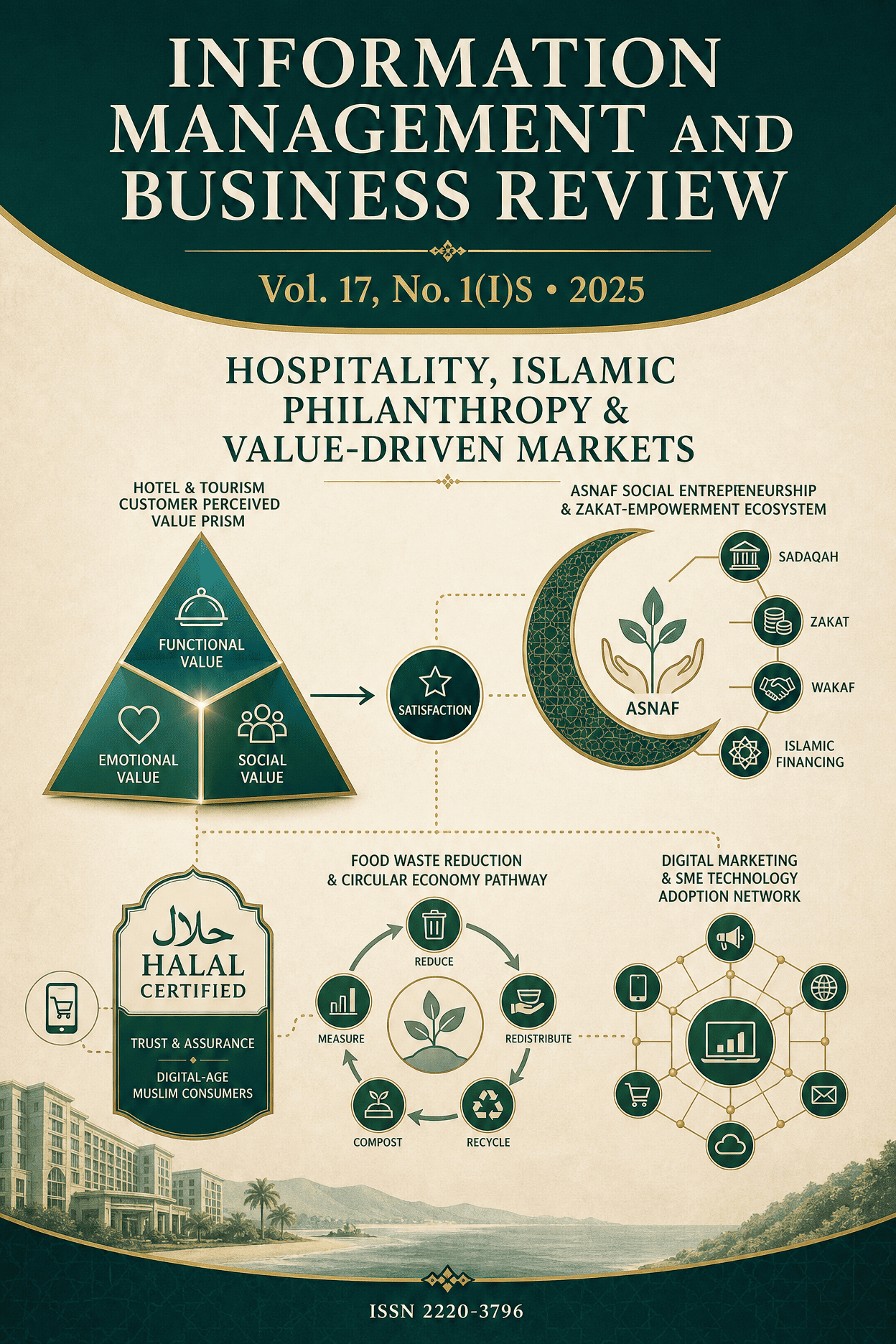
    Perceived Value Dimensions and Guest Satisfaction: An Analysis of Functional, Social and Emotional Values in Five-Star Hotel Organizations

    • Author: Malina Hanum Mohd Kamal, Noristisarah Abd Shattar, Farisya Idayu Azhar, Tuan Sharifah Irene Natasha Tuan Ahmad Jafri, Ema Maliha Mohd Kamal

    Customer satisfaction is one of the most essential measurements that indicates how well a company’s goods or services live up to the expectations of its clients. In the hotel industry, the level of customer satisfaction is represented by guest satisfaction. This study aims to explore factors that influence guest satisfaction in hotel organizations. Specifically, the study aims to examine the influence of perceived value dimensions, which are functional value, social value, and emotional value, on hotel guests’ satisfaction. A quantitative study approach has been adopted through online survey questionnaires involving 370 respondents who have prior experience staying in five-star hotel organizations. Data have been gathered and analyzed using a reliability test, descriptive statistics, correlation, and multiple regression analyses with the assistance of the IBM SPSS software. The data have indicated that the perceived value dimensions have a significant effect on the hotel guests’ satisfaction. The findings have revealed that social value and emotional value positively influence the hotel guests’ satisfaction with social value being the most significant factor. These results underscore the importance of the perceived value dimensions as the measurement of the hotel guests’ satisfaction. The study contributes to the limited number of studies that focus on the trend and antecedents of customer satisfaction in the hotel industry. Besides, it also serves as a foundation, inspiring future researchers to explore more on other factors that may shape guest satisfaction and how it contributes towards customer retention in hotel organizations.

    Pages 192-200

    PDF - Perceived Value Dimensions and Guest Satisfaction: An Analysis of Functional, Social and Emotional Values in Five-Star Hotel Organizations (opens in a new tab)
  • Article 20 in this issue

    Exploring Factors Influencing Students' Satisfaction at Arked Meranti, Universiti Teknologi Malaysia

    • Author: Khazainah Khalid, Nor Salwani Sumantry, Nurul Diana Syahira Abu Bakar, Jazira Anuar, Mushaireen Musa

    Student satisfaction with campus food services plays a crucial role in their well-being and academic success. This study explores the key food service attributes influencing student satisfaction at Arked Meranti Cafeteria, Universiti Teknologi Malaysia, Skudai, Johor, focusing on students from Rahman Putra College and Tun Fatimah College. A quantitative research design was employed, with data collected from 341 students through an online survey distributed via Google Forms. The survey covered demographic details and four key food service attributes: food and beverage quality, service quality, setting quality, and price-value perception. Data was analyzed using IBM SPSS Statistics version 27. The results indicate that all variables significantly contribute to overall student satisfaction. Descriptive analysis provided insights into satisfaction levels, while multiple regression analysis determined the relative impact of each attribute. The findings reveal that setting quality (β = 0.331) has the strongest influence on satisfaction, followed by service quality (β = 0.316) and food and beverage quality (β = 0.219), whereas price and value (β = 0.005) have the least impact. These findings expand existing knowledge on student satisfaction at Arked Meranti by emphasizing the significance of key factors. Additionally, they offer recommendations for university management to improve student satisfaction.

    Pages 201-208

    PDF - Exploring Factors Influencing Students' Satisfaction at Arked Meranti, Universiti Teknologi Malaysia (opens in a new tab)