Articles 1–10 of 70

  • Article 1 in this issue

    Strategies For Sustainable Sports Events: Understanding the Stakeholders Challenge for Collaboration

    • Author: Kalam Azad Isa, Norol Hamiza Zamzuri, Herwina Rosnan

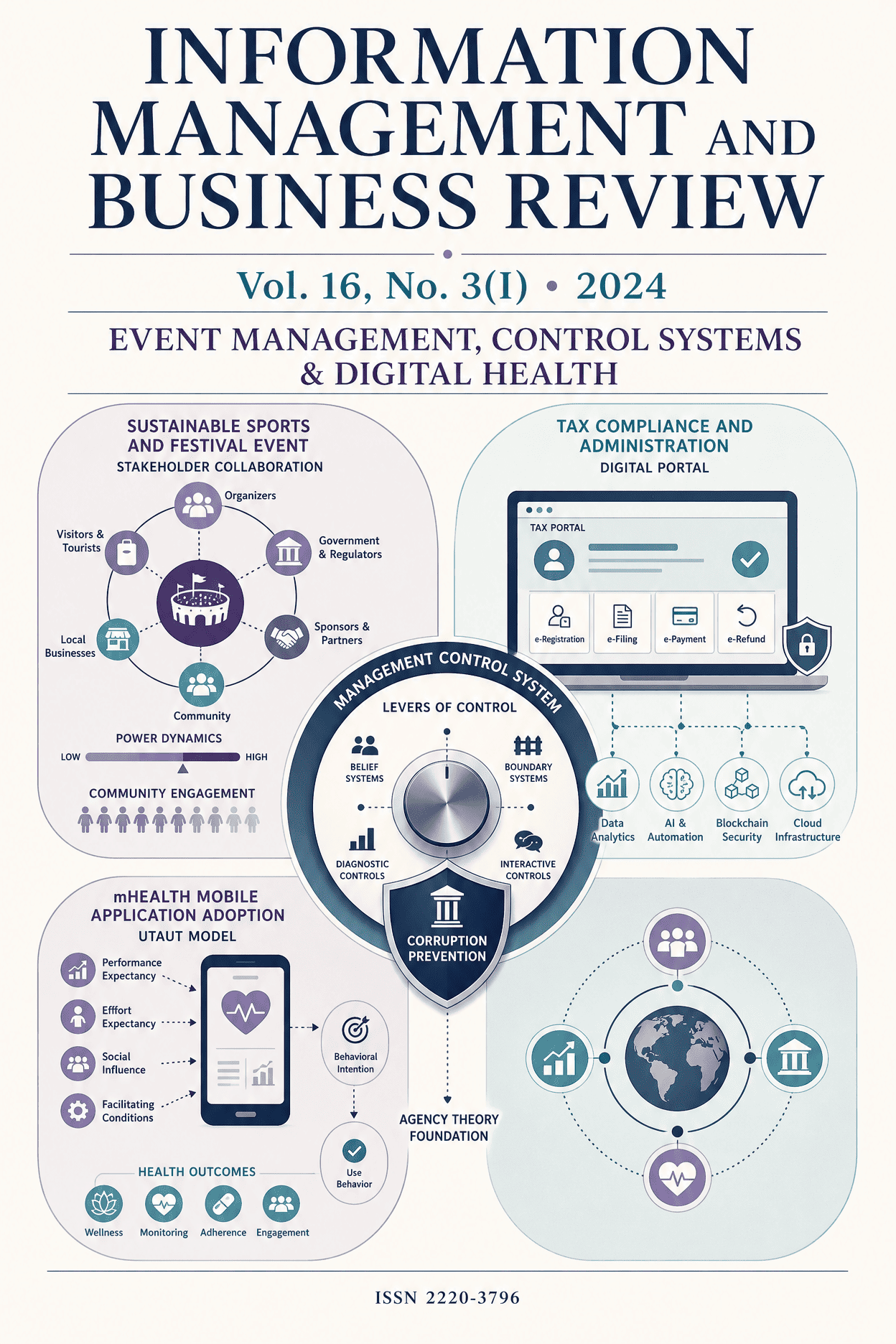
    Ensuring sustainability in sports events is a complex challenge wherein stakeholders play a pivotal role. This study synthesizes existing literature to comprehensively explore the multifaceted dynamics of stakeholder collaboration in sustainable sports events. The diverse interests and goals among stakeholders, identified as a primary challenge, underscore the complexity of achieving sustainability. Drawing on insights, this study emphasizes the need for a shared vision to align stakeholders and mitigate conflicts arising from disparate priorities. Communication and coordination issues are critical challenges, necessitating transparent, two-way communication channels to build trust and enhance collaboration. Power dynamics pose another significant challenge, emphasizing the importance of balancing power among stakeholders to ensure fairness and inclusivity. Long-term engagement requires continuous engagement, collaborative decision-making, and ongoing communication to sustain stakeholders' interest throughout the event's lifecycle. Social inclusivity contributes to the legacy of sustainable sports events, fostering social cohesion, cultural exchange, and promoting human rights. This study aims to provide nuanced insights into stakeholder collaboration challenges, offering practical strategies for event organizers and contributing to ongoing discourse on sustainable sports event outcomes.

    Pages 1-6

    PDF - Strategies For Sustainable Sports Events: Understanding the Stakeholders Challenge for Collaboration (opens in a new tab)
  • Article 2 in this issue

    A Conceptual Discussion Related to Festival Events in Malaysia

    • Author: Muhammad Haziq Bazli Abu Talib, Norol Hamiza Zamzuri, Hazira Mohd Nasir

    This study explores the rapidly growing subject of festival event management in Malaysia's travel and tourist industry, emphasizing the cultural, social, and economic effects of festivals. The project aims to improve festival management efficiency by identifying stakeholder concerns and investigating best practices. Through a conceptual analysis of 24 papers from Emerald, Science Direct, and Scopus, the study emphasizes the significance of continuous innovation, management frameworks such as EMBOK, and strategic planning. The findings suggest that addressing gaps in administrative practices and specialized education can significantly improve the effectiveness and sustainability of Malaysia’s festival events.

    Pages 7-12

    PDF - A Conceptual Discussion Related to Festival Events in Malaysia (opens in a new tab)
  • Article 3 in this issue

    Bibliometric Analysis of Cultural Event Publications (2001-2023)

    • Author: Ahmad Edwin Mohamed, Suryati Abd Shukor, Mohamad Khairi Alwi, Norol Hamiza Zamzuri

    Scholars from all around the world are paying more and more attention to cultural event studies as evidenced in several academic publication databases. The existing studies are mainly based on empirical studies using surveys and interviews, and some are based on conceptual papers. However, bibliometric analysis of cultural events has been largely neglected. This study uses a bibliometric analysis approach to get an overview of the landscape, development, and trends of cultural event studies. In addition to that, a bibliometric analysis also enables the researcher to identify prominent authors, institutions, and countries that actively participated in the cultural event studies. This study also aimed at establishing a series of visualization maps using VOSviewer software that displays the links between authors, institutions, and keyword occurrences. A total of 3,578 scientific documents relating to cultural events in various forms were retrieved from the Elsevier Scopus database. Using this database, the bibliometric analysis has been able to identify some prominent authors in this field, the most productive institutions, frequent keywords, top funders, and so on. In conclusion, this paper also provides some key information for future researchers in identifying important research gaps by examining the keyword occurrences relating to cultural events.

    Pages 13-26

    PDF - Bibliometric Analysis of Cultural Event Publications (2001-2023) (opens in a new tab)
  • Article 4 in this issue

    Developing a Predictive Model of Crowd Behavior at Music Concerts and Festivals (MCF): A Proposal for a Research Framework

    • Author: Cempaka Nur Huda Mohamad Halim, Masrur Mohd Khir, Azreen Roslan

    Music Concerts and Festivals (MCF) have experienced steady growth each year, transforming these events into large-scale international gatherings from their humble beginnings in the 1980s. The trend of increasing attendance by festival-goers and concert-goers at MCF has prominently emerged in the 21st century. The attendance of MCF contributes to the formation of crowds, which are indirectly influenced by risky behavior. Consequently, this trend has led to numerous incidents related to risky behavior at MCF. However, there is insufficient research on such behavior, and few existing studies address any predictive models specific to MCF. As a result, there has been a slight increase in aggressive behavioral incidents among festival-goers and concert-goers. This issue has demonstrated the importance of studying crowd behavior among those attending musical concerts and festivals. Therefore, this paper will focus on the important variables related to risky behavior that can cause crowd behavior and bridge the gap by identifying risky behavior among crowds. Additionally, this study will propose a research framework for the development of a crowd behavioral predictive model to anticipate future risk behavior among attendees. This research will employ a mixedmethods approach comprising qualitative and quantitative methodologies as its method of investigation. The research framework will then be used to develop a predictive model of crowd behavior among attendees of MCF that will help to provide significant information for event and concert organizers to understand potential risky behavior among the crowd, hence, help in mitigating or preventing unwanted crowd safety incidents at MCF.

    Pages 27-37

    PDF - Developing a Predictive Model of Crowd Behavior at Music Concerts and Festivals (MCF): A Proposal for a Research Framework (opens in a new tab)
  • Article 5 in this issue

    Synergies of Success: Unveiling the Transformative Influence of Sponsorship on Event Excellence

    • Author: Muhammad Hafizi Zamri, Aida Nur Mohd Kodri, Abdul Hamid Abdul Halim, Mohamad Imaduddin Zainal Abidin, Liyana Shamimi Mohamed Kamil

    This study delves into the intricate dynamics of sponsorship strategies, media exposures, and event organizer practices within the Malaysian events industry. Employing a quantitative research approach, the research sampled 110 corporate sponsor representatives, utilizing a structured questionnaire to collect data. Analysis, carried out using Statistical Packages for Social Science Version 26.0 (SPSS Version 26.0), incorporated both descriptive and inferential methods. The findings illuminate a significant positive relationship between sponsorship strategies and media exposure with event success, accompanied by a noteworthy negative relationship between event organizer practices and event success. These results underscore the pivotal role of sponsorship and media exposure in influencing successful events, providing valuable insights for corporate sponsors and event organizers alike. Importantly, the study emphasizes the need for organizations to reassess their sponsorship approaches, fostering successful events by fortifying policies and aligning mutual objectives. As the events landscape continues to evolve, this research contributes to the broader discourse, guiding industry practitioners in optimizing strategies for sustainable success in the dynamic Malaysian events industry.

    Pages 38-45

    PDF - Synergies of Success: Unveiling the Transformative Influence of Sponsorship on Event Excellence (opens in a new tab)
  • Article 6 in this issue

    Crisis Management Research (2014-2023) in the MICE Industry: A Review and Research Agenda

    • Author: Dhiya Hikmahana Abdul Razak, Masrur Mohd Khir, Nur Atiqah Rochin Demong

    The 21st century is seen as a volatile business environment and requires a proper crisis management standard for most organizations including the MICE sector. Nowadays, managers seek to deal with a potential crisis effectively, with minimum losses or to avert the potential crisis in the best case. The goal is obvious: minimize the impact of the crisis or avoid a potential crisis. This study aims to investigate relevant research domains in the MICE/business events industry context. This paper found that there was very limited study on the topic. The topic of crisis management in the MICE/business events industry only started to gain much attention after COVID-19. To understand how crisis management practices have been adopted in the industry, the authors reviewed 32 articles including 29 papers on COVID-19, spanning 10 years, between 2014 and 2023. The findings showed that the research focuses on crisis management, crisis impact, response, resilience, communication, and recovery. Looking back, health-related crises (including COVID-19), political disturbances and terrorism themes are the biggest trends. This study addressed the need for more study on the topic for advancing knowledge, addressing emerging challenges, and applying findings to improve practice and decision-making as well as to develop a newly conceptual framework that places operational resilience on an equal footing with financial resilience, with indicators adapted to the risk profile of the operating model.

    Pages 46-52

    PDF - Crisis Management Research (2014-2023) in the MICE Industry: A Review and Research Agenda (opens in a new tab)
  • Article 7 in this issue

    Bibliometrics Analysis of Event Management in the Digital Era: Challenges and Opportunities for Event Planners

    • Author: Nur Atiqah Rochin Demong, Siti Noorsuriani Maon, Norol Hamiza Zamzuri, Masrur Mohd Khir, Sarinah Sabar, Abdul Hamid Abdul Halim

    To remain competitive, event planners must stay current with the latest trends and technologies, such as virtual and augmented reality, artificial intelligence and the Internet. This paper presents a comprehensive bibliometric analysis using VOSviewer software to provide insight into the intellectual structure of knowledge using citation and co-citation networks, as well as key concepts using a keyword cooccurrence network, on the topic of opportunities and challenges faced by event planners when managing events in the digital era. The investigation begins by examining the Scopus database for articles published with keywords relevant to the topic. VOSviewer software was used for science mapping and network analysis of extracted data. This systematic field mapping helps graphically illustrate the publication evolution between 2015 and 2024 and identify the current research interests and potential directions for future research. A total of 125 articles were included comprising 44 conference papers, 39 original articles, 9 book chapters, 5 books, and 2 reviews. The United States, United Kingdom and Germany were the principal countries of origin of publications. The most frequently appearing keywords were “information management” with 116 occurrences and “network security” with 68 occurrences. The top five keywords with the greatest total link strength were information management, network security, security information and event management, cybersecurity, and intrusion detection. It is imperative that stakeholders, including funding agencies, event management organizations, researchers, and event managers, collaborate to ensure that the volume of quality research in this area keeps pace with the rapid advancements transforming the industry.

    Pages 53-64

    PDF - Bibliometrics Analysis of Event Management in the Digital Era: Challenges and Opportunities for Event Planners (opens in a new tab)
  • Article 8 in this issue

    Enhancing Attendee Engagement: A Study on Designing Successful Hybrid Events in Malaysia

    • Author: NurHazwani Abd Latif, Norol Hamiza Zamzuri

    This study seeks to address the void by exploring hybrid event design and, attendee engagement and experience in the Malaysian context. It is also hoped to provide event stakeholders with information that will help them design successful hybrid events that prioritize attendee engagement and enhance the overall event experience. By understanding the needs and preferences of attendees, event organizers can tailor their strategies to create seamless and interactive experiences for both on-site and remote attendees. This study will contribute valuable insights to the growing field of hybrid events in Malaysia and guide event planners in delivering impactful and memorable experiences to all attendees. From the findings, none of the studies related to hybrid events have been conducted in the Malaysian context. This study was conducted by using electronic database searching from reputable databases such as Scopus, Science Direct and Google Scholar. 52 articles that are related to hybrid events were published from 2014-2023. Hybrid event is a new trend in organizing events. It offers a unique opportunity to cater to both in-person and virtual attendees.

    Pages 65-72

    PDF - Enhancing Attendee Engagement: A Study on Designing Successful Hybrid Events in Malaysia (opens in a new tab)
  • Article 9 in this issue

    Event Bidding Success Factors of Malaysia’s Business Events: Exploring the Potential Gap in Destination Selection Attributes

    • Author: Suhaila Jabaruddin, Norol Hamiza Zamzuri, Hazira Mohd Nasir

    Understanding the destination selection attributes is crucial for the survival of the business events industry at any destination. This is particularly pertinent in the business events industry, where competition is strong in the current economic situation. As the landscape of business events continues to evolve, destinations must strategically position themselves to attract and retain these valuable gatherings. The decision-making regarding the selection of the business event destination is prone to be influenced by various potential attributes that are yet to be determined through further exploration. The association or event organizer may exercise their judgment or discretion in selecting the venue, giving them a great deal of flexibility. For Malaysia to be the preferred destination and improve its ranking in international business events especially in Asia Pacific, the products and services supply must be relevant and meet the expectations of the external market. Despite the importance of the business event industry, much of the existing scholarly work has been predominantly focused on the destination selection attributes for leisure and international sports events only. Thus, this paper aims to extend the body of knowledge by investigating whether similar outcomes can be elicited when it comes to business events, with a particular emphasis on understanding the concept and attributes within the context of Malaysian business event associations. Additionally, this study will assist the local hosting and organizations to develop their bid and marketing strategies appropriately by offering exceptional products and services that are customized to meet the expectations of their intended associations.

    Pages 73-79

    PDF - Event Bidding Success Factors of Malaysia’s Business Events: Exploring the Potential Gap in Destination Selection Attributes (opens in a new tab)
  • Article 10 in this issue

    Augmented Reality Gaming Experience: Assessing Satisfaction Level Towards Post Event Behavior for MARA 1.0

    • Author: Abdul Hamid Abdul Halim, Masrur Mohd Khir, Ryan Kang Jee Hong, Natalie Loi Yoke Kei

    The proliferation of Augmented Reality (AR) technology has significantly transformed the gaming industry by merging digital content with the physical environment. This study focuses on assessing player satisfaction and subsequent behaviors in response to Mission AR Apocalypse (MARA) 1.0, an AR game designed to enhance educational engagement for Universiti Teknologi MARA (UiTM) students. Developed amidst the COVID-19 pandemic by UnBound Malaysia, this game aims to provide an enriching experience through the integration of educational content within an AR framework. This research investigates four primary factors influencing player satisfaction: immersion and visual experience, ease of use and controls, game content and storyline and technical performance. Utilizing a correlational research design, data were collected from 503 students across 15 UiTM branches via structured questionnaires. The study employs Net Promoter Score (NPS) to measure satisfaction levels and their impact on post-event behaviors, such as the intent to recommend and continue using the game. Findings indicate a high level of satisfaction with immersion and visual experience, ease of use, and game content, though technical performance showed mixed results. These results support the hypotheses that immersive, visually rich AR games with user-friendly controls and engaging content enhance player satisfaction and recommendation intentions. The study concludes that while the majority of players are satisfied, there are areas for improvement, particularly in technical performance, to ensure a more seamless and enjoyable gaming experience. These insights are crucial for developers and educators aiming to optimize AR applications for educational purposes.

    Pages 80-89

    PDF - Augmented Reality Gaming Experience: Assessing Satisfaction Level Towards Post Event Behavior for MARA 1.0 (opens in a new tab)